Matteo
Cercola
Reasoning and control in vision–language–action models.

Does the reasoning drive the action?
I study how robot foundation models reason, and whether that reasoning actually controls what they do.
I am a PhD candidate in Information Technology at Politecnico di Milano, advised by Prof. Simone Formentin, and currently a Visiting Student Researcher at Stanford University's Autonomous Systems Lab with Prof. Marco Pavone.
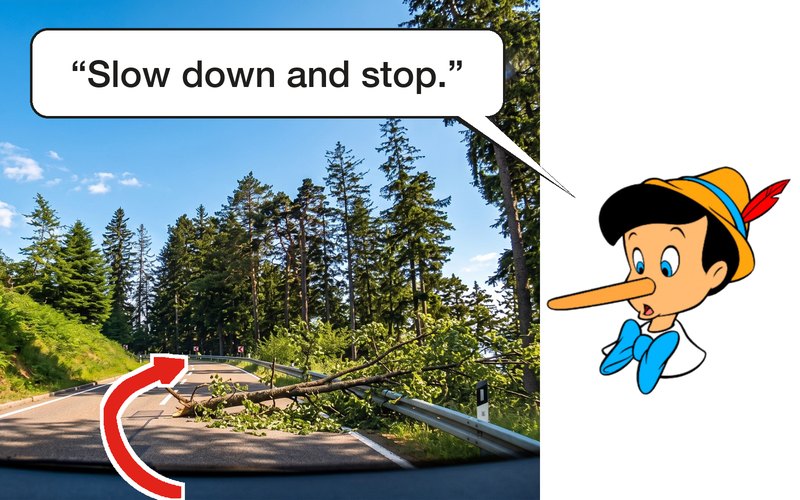
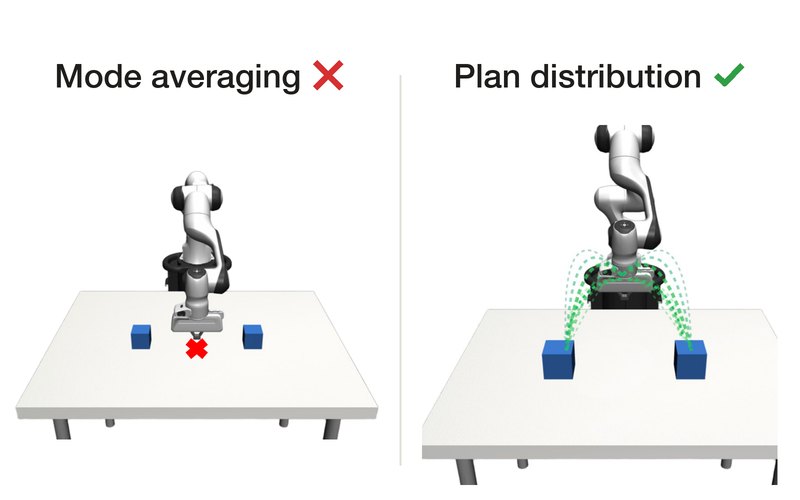
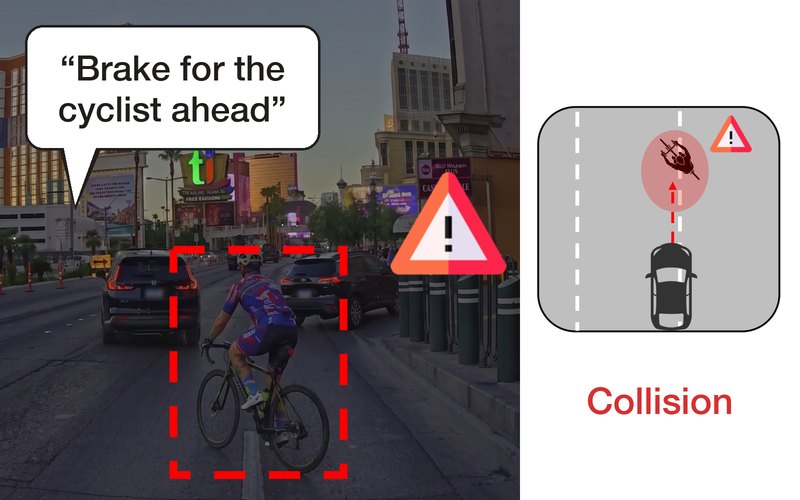
My recent work looks at vision–language–action (VLA) models for driving and manipulation: whether their chain-of-thought is faithful to the policy, how to represent reasoning as a distribution over plans that can be sampled and steered, and why a model can perceive a hazard yet fail to act on it. I come to this from control and learning from human feedback, and I care about learning-based systems that are interpretable, steerable, and safe.
Recent
- Sep 2026Submitted Reasoning as a Distribution to ICLR 2027 and Perceives but Doesn't Brake to ICRA 2027.
- Jul 2026New preprint on faithfulness of embodied reasoning in VLA models, submitted to RA-L.
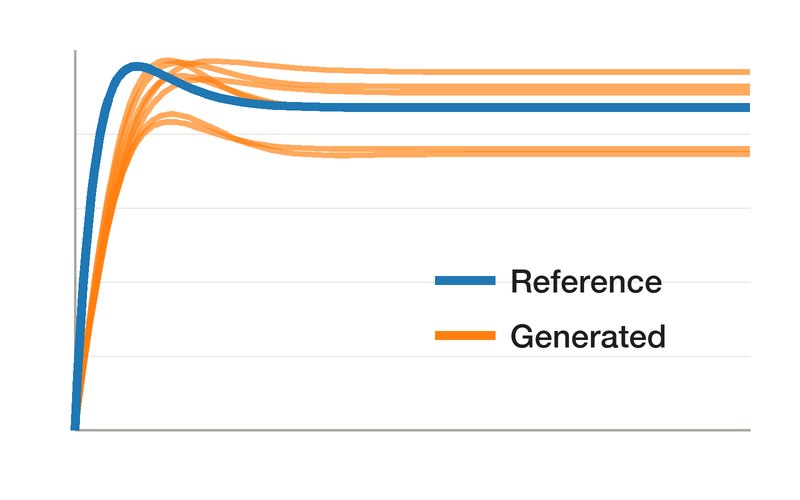
- Apr 2026Diffusion-based controller synthesis via Youla parameterization accepted at IFAC 2026.
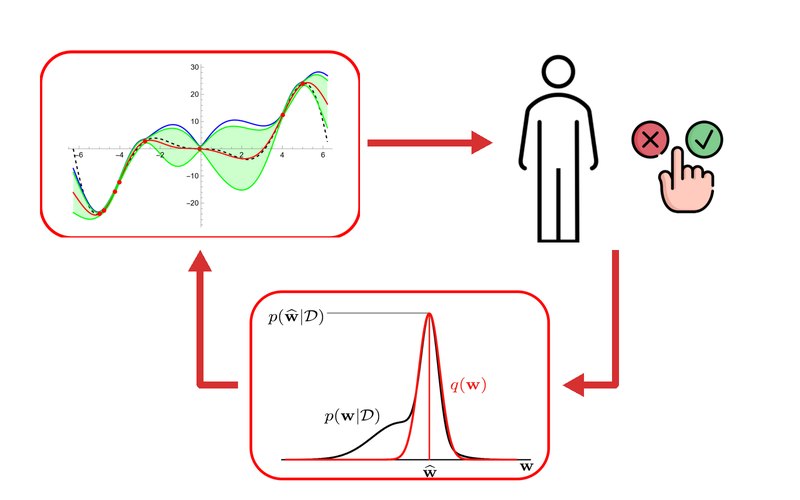
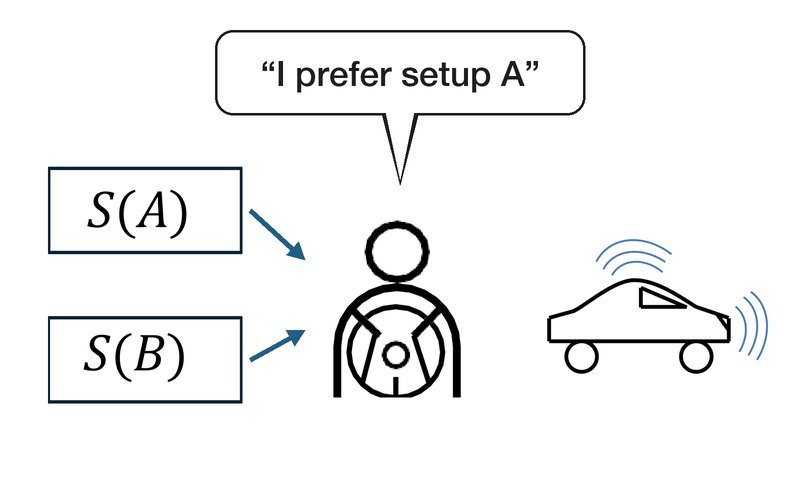
- Mar 2026Our paper on efficient RLHF via Bayesian preference inference is out in the IFAC Journal of Systems and Control.
- Jan 2026Started as a Visiting Student Researcher at the Autonomous Systems Lab, Stanford University.
- Jan 2026Regularized GLISp for sensor-guided human-in-the-loop optimization published in the IFAC Journal of Systems and Control.
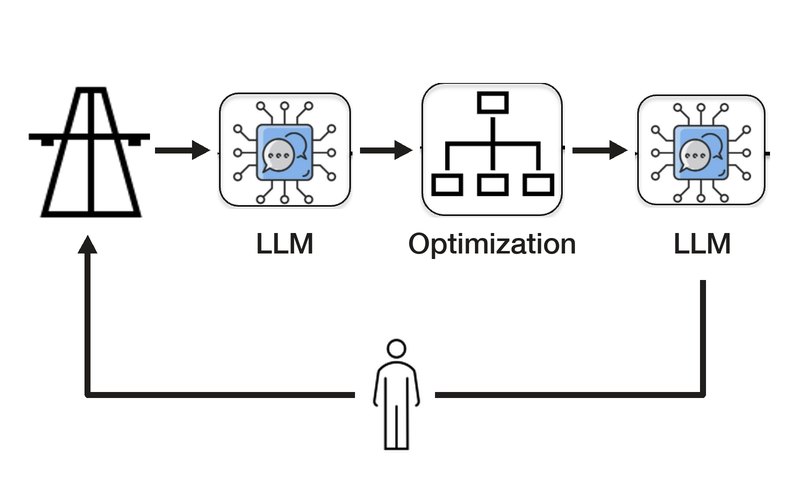
- Jun 2025Presented our work on LLM-based traffic incident management at L4DC 2025, Ann Arbor.
Three threads
Reasoning in VLA models
Does a model's reasoning drive its actions? Faithful chain-of-thought, plans as steerable distributions, and the gap between perceiving a hazard and braking for it.
Learning from human feedback
Sample-efficient preference learning, from RLHF for language models to human-in-the-loop calibration of vehicle controllers.
Generative models for control
Diffusion models that design stabilizing controllers, and LLM agents with optimization-backed decisions for highway operations.
Papers
 ▶ clip
 ▶ clip
Systems I've built
Foundation models for autonomous driving — Stanford ASL
Fine-tuning 4B-parameter vision-language-action models for driving on a 32× H100 cluster with PyTorch distributed training.
Agentic LLM decision support — MOVYON / Autostrade per l'Italia
An agentic decision-support system (LangChain, RAG) with optimization-backed guarantees, deployed for highway radio operators to accelerate incident response.
LiDAR segmentation — Indy Autonomous Challenge 2023
Real-time point-cloud segmentation (PyTorch + ROS2) deployed on a full-scale autonomous race vehicle, contributing to the team victory at the Monza Circuit.